
I wear my Apple Watch every day. I just can’t sleep in it.
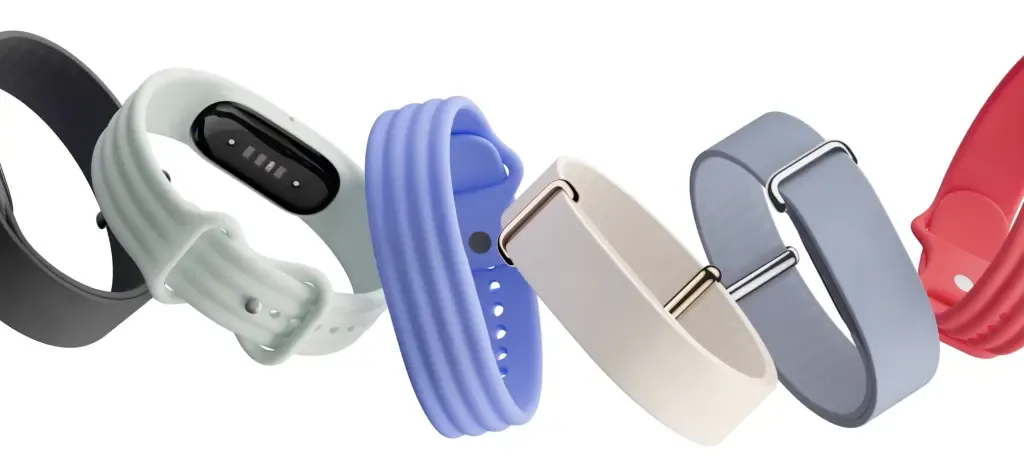
I ordered a Google Fitbit Air to test that gap. The Apple Watch is a good daily device for me, but it is too bulky for me to wear through the night. The Fitbit Air’s screenless band looks more promising. I will not know whether it is actually comfortable until I sleep in it.
What I’m Actually Trying to Learn
My goal is to find my own patterns: when I sleep, how often I wake, and whether my habits match what I remember. That benefit does not erase the privacy tradeoff. Sleep data is health-adjacent personal data, and I am choosing to give Google another stream of it in exchange for analysis I may find useful.
Why Battery Life Actually Matters Here
Sleep tracking creates a charging routine I never established with the Apple Watch. Apple rates Series 10 for up to 18 hours, so overnight tracking means finding another predictable charging window. Plenty of people do that. I did not, and the watch stayed on my nightstand.
Google advertises up to seven days for the Fitbit Air. If it gets close to that in normal use, charging during a shower or work session should be enough. The advertised battery life still needs testing on the device I receive.
A USB-C connection to the power adapter does not make the device-side charging cable interchangeable. I still need to keep track of the Fitbit charger.
Two Devices, Two Jobs
The intended split is simple: Apple Watch during the day, Fitbit Air at night. Whether the second device earns that job depends on comfort, battery life, and whether the sleep data changes anything I do.
The Apple Watch can keep its daytime job. The Fitbit Air earns the night shift only if I wear it consistently and use the sleep data. Its specification sheet cannot answer either question.
Was this useful?
Thanks for the feedback.